Two mistakes that weren’t دو اشتباهی که اشتباه نبودند
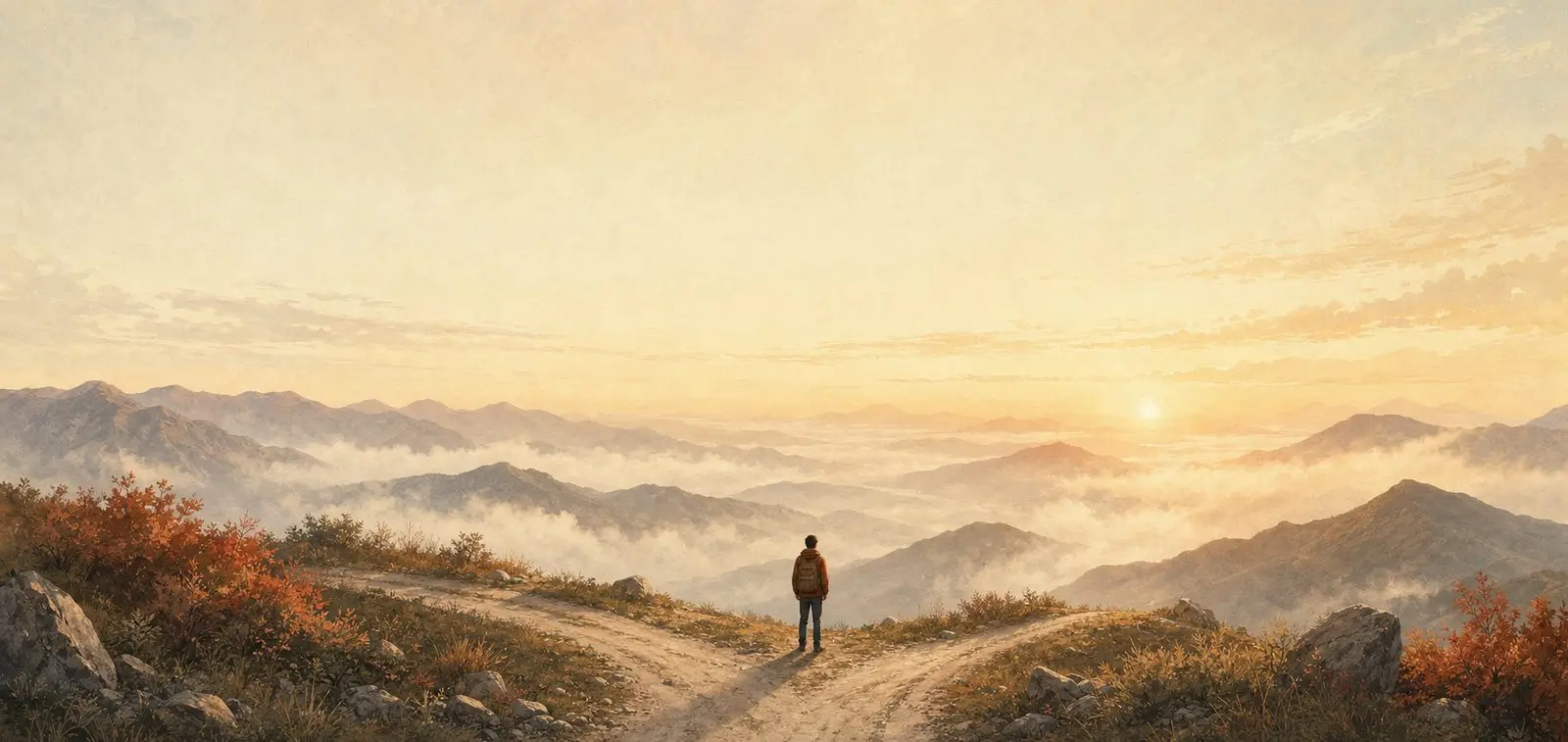
Before my final year of high school in Iran, I had to make a choice that, in hindsight, looks like a clear mistake.
In Iran, the last year of high school is built around one thing: the biggest exam of your life — a gruelling four-hour test that decides what you can study at university and, in many ways, sets the trajectory of your future. My school didn’t offer the year-12 preparation course, so I had to choose: a public school, where most of my friends were going, or a private one I believed would give me an edge.
I chose the private school. It turned out to be ill-equipped, I wasn’t properly prepared, and that year I lost my chance.
Determined, I gave another full year to preparing. By exam time I felt ready — confident, even. Then, the night before, I made another fateful choice: I ate a heavy, indulgent meal. By midnight I was severely ill. The next morning, instead of sitting the exam, I was in a hospital bed. I missed it entirely.
It is easy to look back on moments like these with regret, replaying the “better” choice that would have spared the pain. We label our decisions good or bad, convinced that picking the right one could have saved us. But what if that whole way of thinking — the hunt for the single correct path — misses the point?
This whitepaper offers three perspectives that move us away from anxiety over “right vs. wrong” and toward a more expansive, more useful question: not which path, but how we walk it.
پیش از سال آخر دبیرستانم در ایران، باید انتخابی میکردم که اگر امروز به آن نگاه کنم، بهسادگی میشود آن را یک اشتباه آشکار دانست.
در ایران، سال آخر دبیرستان همهاش دربارهی یک چیز است: بزرگترین آزمون زندگیات — یک کنکور چهارساعتهی نفسگیر که تعیین میکند چه رشتهای بخوانی و، بهنوعی، مسیر آیندهات را رقم میزند. دبیرستان من دورهی پیشدانشگاهی را ارائه نمیداد، پس باید انتخاب میکردم: یک مدرسهی دولتی که بیشتر دوستانم به آن میرفتند، یا یک مدرسهی خصوصی که گمان میکردم برتری به من میدهد.
مدرسهی خصوصی را انتخاب کردم. اما آنجا امکانات کافی نداشت، درست آماده نشدم، و آن سال فرصتم را از دست دادم.
با اراده، یک سال کامل دیگر را وقف آمادهشدن کردم. وقت کنکور که رسید، احساس میکردم آمادهام — حتی مطمئن. اما شبِ پیش از آزمون، انتخاب سرنوشتساز دیگری کردم: یک شام سنگین و دلچسب خوردم. تا نیمهشب بهشدت بیمار شدم. صبح روز بعد، بهجای نشستن سر جلسهی کنکور، روی تخت بیمارستان بودم. آزمون را کامل از دست دادم.
آسان است که به چنین لحظههایی با حسرت نگاه کنیم و انتخابِ «بهتری» را در ذهن مرور کنیم که میتوانست ما را از این درد برهاند. ما تصمیمهایمان را خوب یا بد برچسب میزنیم، با این باور که انتخابِ درست میتوانست نجاتمان دهد. اما اگر همین طرز فکر — این جستوجوی تنها مسیرِ درست — اصلِ ماجرا را از دست داده باشد چه؟
این مقاله سه نگاه پیش میگذارد که ما را از اضطرابِ «درست در برابر غلط» دور میکند و بهسوی پرسشی گشودهتر و کاربردیتر میبرد: نه کدام مسیر، بلکه چگونه آن را میپیماییم.
Each section pairs an idea with a short practice. Read it once for the ideas. Read it a second time with a real decision you’re facing, and do the exercises in the margins. It is built to be worked, not just read.
هر بخش یک ایده را با یک تمرین کوتاه همراه میکند. یکبار آن را برای ایدهها بخوانید. بار دوم با یک تصمیم واقعی که پیش رو دارید بخوانید و تمرینها را انجام دهید. این متن ساخته شده تا «کار شود»، نه فقط خوانده شود.
Why “right vs. wrong” paralyses us چرا «درست در برابر غلط» فلجمان میکند
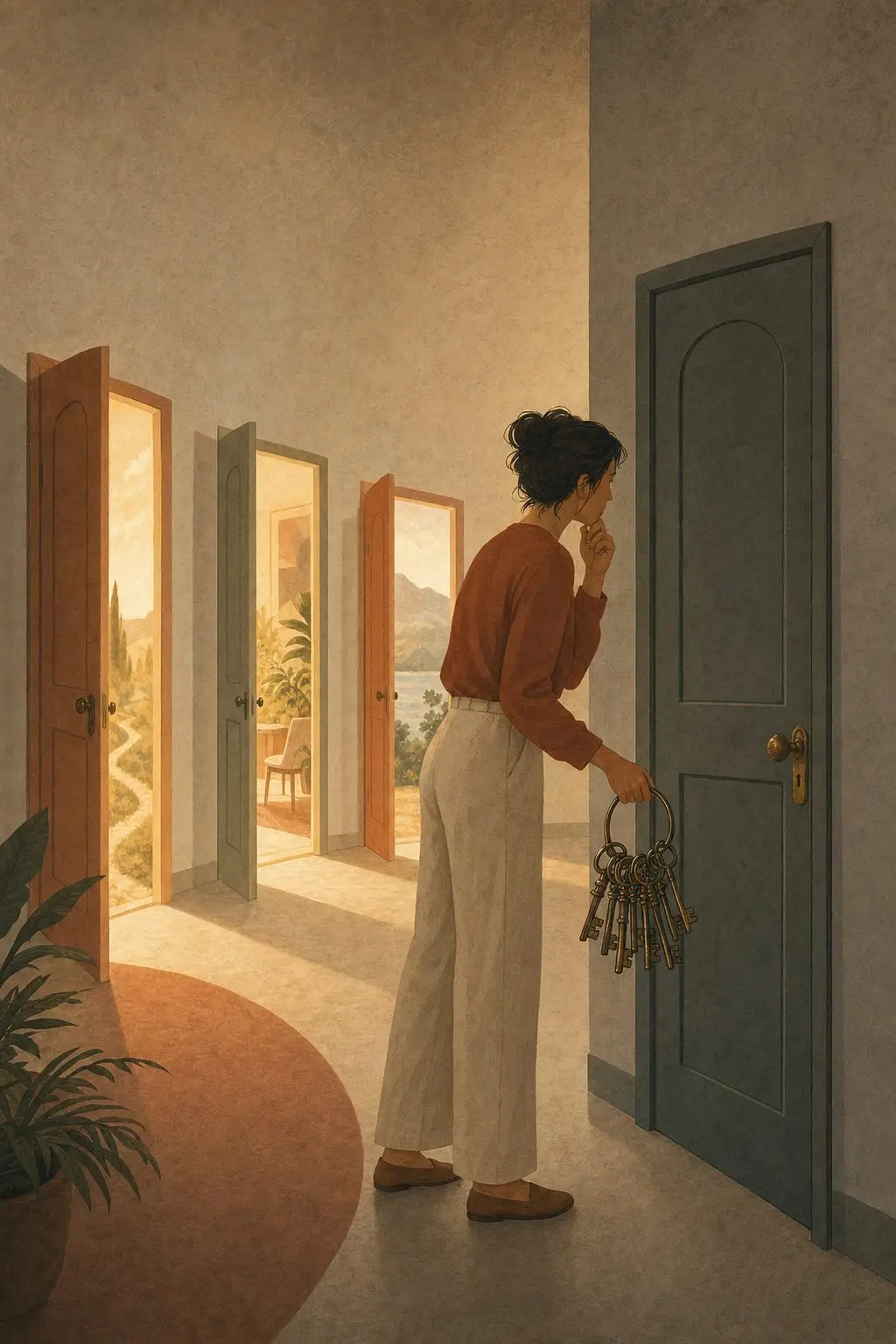
Most of us treat a big decision like a locked door with one correct key. Find the key, and life opens up. Choose wrong, and we’ve failed.
This belief feels responsible. It is actually a trap, and there’s good evidence for why.
بیشتر ما با یک تصمیم بزرگ مثل دری قفلشده رفتار میکنیم که فقط یک کلید درست دارد. کلید را پیدا کن، زندگی باز میشود. غلط انتخاب کن، شکست خوردهای.
این باور مسئولانه بهنظر میرسد. اما در واقع یک تله است و دلیل خوبی هم برایش هست.
Psychologist Barry Schwartz distinguished two kinds of decision-makers. Maximizers hunt for the single best, “right” option; satisficers pick something “good enough” and move on. Across seven studies, higher maximizing was linked to less happiness, optimism, and life satisfaction — and more regret, perfectionism, and depression. Maximizers often achieve objectively better outcomes, yet feel worse about them, because they can’t stop comparing their choice to the paths they didn’t take. (Schwartz et al., 2002) The very belief that there’s one “right” answer is what poisons the choice.
بری شوارتز، روانشناس، دو گونه تصمیمگیرنده را از هم جدا کرد. بیشینهجویان دنبالِ تنها گزینهی «بهترین» و «درست» میگردند؛ بسندهجویان چیزی را که «به اندازهی کافی خوب» است برمیگزینند و پیش میروند. در هفت مطالعه، بیشینهجوییِ بیشتر با شادمانی، خوشبینی و رضایت از زندگیِ کمتر — و حسرت، کمالگرایی و افسردگیِ بیشتر همبسته بود. بیشینهجویان اغلب نتایجِ عینیِ بهتری به دست میآورند، اما حسِ بدتری نسبت به آن دارند، چون نمیتوانند دست از مقایسهی انتخابشان با مسیرهایی که نرفتهاند بکشند. (شوارتز و همکاران، ۲۰۰۲) همین باور که یک پاسخِ «درست» وجود دارد، همان چیزی است که انتخاب را مسموم میکند.
This plays out everywhere in life. When we treat a marriage, a career, or a country to live in as a problem with one correct solution, we set ourselves up to keep asking “but was it the right one?” long after we’ve decided — and that question, not the choice itself, is what steals the satisfaction.
There’s a second cost. Every decision draws on a limited tank of mental energy. The more we agonise, the worse our later choices get — a pattern researchers call decision fatigue, where a tired mind defaults to the easiest or most familiar option rather than a thoughtful one. (Decision Fatigue, 2018)
And there’s a third: we are often regret-averse more than we are risk-averse. We don’t just want a good outcome — we want to avoid the future pain of having chosen “wrong,” and that fear quietly steers us, sometimes into paralysis, sometimes into the safest possible move. (Zeelenberg, 1996)
Put these together and you get the person stuck for years at a fork in the road, paying the highest price of all: the cost of not living, spent guarding against a mistake.
این در همهجای زندگی خودش را نشان میدهد. وقتی با ازدواج، شغل یا کشوری برای زندگی مثلِ مسئلهای که یک جوابِ درست دارد رفتار میکنیم، خودمان را در دامی میاندازیم که حتی مدتها پس از تصمیم هم میپرسیم «اما آیا انتخابِ درست بود؟» — و همین پرسش، نه خودِ انتخاب، رضایت را از ما میدزدد.
هزینهی دومی هم هست. هر تصمیم از یک باکِ محدودِ انرژی ذهنی برداشت میکند. هرچه بیشتر تردید کنیم و با خودمان کلنجار برویم، تصمیمهای بعدیمان بدتر میشوند — الگویی که پژوهشگران آن را خستگی تصمیم مینامند؛ جایی که ذهنِ خسته بهجای گزینهی سنجیده، به سادهترین یا آشناترین گزینه پناه میبرد. (خستگی تصمیم، ۲۰۱۸)
و سومی: ما اغلب بیش از آنکه «ریسکگریز» باشیم، حسرتگریز هستیم. فقط نتیجهی خوب نمیخواهیم — میخواهیم از دردِ آیندهی «اشتباه انتخاب کردن» بگریزیم، و همین ترس بیسروصدا ما را هدایت میکند؛ گاه بهسوی فلجشدگی و گاه بهسوی امنترین حرکت ممکن. (زیلِنبرگ، ۱۹۹۶)
اینها را کنار هم بگذارید و به کسی میرسید که سالها بر سرِ یک دوراهی مانده و بالاترین بها را میپردازد: هزینهی زندگینکردن، که صرفِ نگهبانی در برابر یک اشتباه شده است.
Write down one decision you’ve been circling for weeks or months. In one sentence each: What are you afraid the “wrong” choice will cost you? What is staying at the fork already costing you? Often the second cost is larger than the first.
یک تصمیم که هفتهها یا ماههاست دورش میچرخی بنویس. هرکدام در یک جمله: میترسی انتخابِ «غلط» چه چیزی از تو بگیرد؟ ماندن بر سرِ دوراهی همین حالا چه هزینهای از تو میگیرد؟ اغلب هزینهی دوم بزرگتر است.
It’s the cook, not the tomato paste آشپز است که غذا را خوشمزه میکند، نه رب گوجهفرنگی
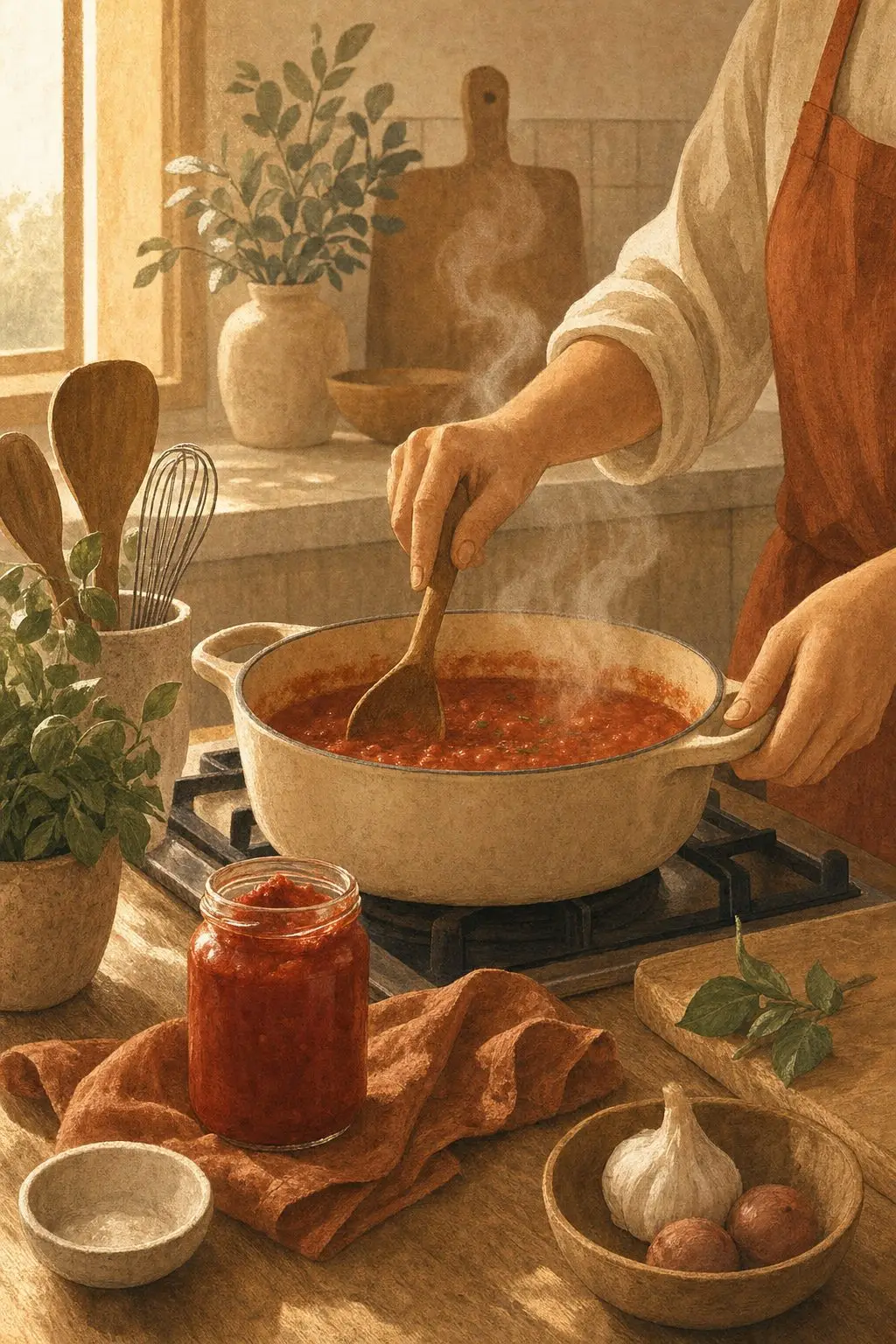
Here is a question worth sitting with: what actually makes a meal delicious — the brand of tomato paste, or the cook?
We instinctively know the answer. A skilled cook makes something wonderful from humble ingredients; a careless one ruins the finest. Yet when it comes to life’s big decisions, we forget this completely. We obsess over picking the “right” ingredient — the right university, the right partner, the right city — as if the choice itself guarantees the outcome.
It doesn’t. Our experience is shaped far less by which option we pick and far more by the mindset we bring and the steps we take after we’ve chosen.
Consider marriage. It’s a momentous decision — but it comes with no guaranteed outcome of happiness. Love is a skill, not a static state of perfection. It matters that you genuinely resonate with your partner as they are, not who you hope they’ll become; it matters just as much that you both keep learning to communicate, share challenges, and adapt as you each grow. Saying “I do” is the ingredient. The cooking is everything that follows.
The same is true of moving countries, changing careers, or starting something new. These choices set a context — a kitchen. Whether the meal is nourishing depends on how you cook in it.
This is why we should be suspicious of decisions sold as pre-packaged bundles — the prestigious university, the dream job — as though the outcome comes sealed inside the label. If the school alone determined success, every graduate of the top programs would be a fulfilled expert, and they plainly are not. The writer Malcolm Gladwell has said the most formative part of his university years wasn’t the institution, the major, or the professors — it was a chance friendship that sparked the conversations that reshaped his life.
پرسشی که ارزش درنگ دارد: واقعاً چه چیزی غذا را خوشمزه میکند — برندِ رب گوجهفرنگی، یا آشپز؟
پاسخ را بهغریزه میدانیم. آشپزِ ماهر از مواد ساده چیزی شگفت میسازد؛ آشپزِ بیدقت بهترین مواد را خراب میکند. اما وقتی پای تصمیمهای بزرگ زندگی به میان میآید، این را کاملاً فراموش میکنیم. وسواسِ انتخابِ «مادهی درست» را داریم — دانشگاه درست، همسر درست، شهر درست — انگار خودِ انتخاب نتیجه را تضمین میکند.
اما نمیکند. تجربهی ما را خیلی کمتر این تعیین میکند که کدام گزینه را برگزیدهایم، و خیلی بیشتر نگرشی که با خود میآوریم و گامهایی که پس از انتخاب برمیداریم.
ازدواج را در نظر بگیرید. تصمیمی بزرگ است — اما تضمینی برای خوشبختی همراه ندارد. عشق یک مهارت است، نه یک حالتِ ایستای کمال. مهم است که با همسرت همانگونه که هست همنوا باشی، نه با آنکه امید داری روزی بشود؛ و به همان اندازه مهم است که هر دو پیوسته بیاموزید چگونه نیازها را بگویید، چالشها را شریک شوید و با رشدِ یکدیگر سازگار شوید. گفتنِ «بله» همان مادهی اولیه است. آشپزی، همهی آن چیزی است که پس از آن میآید.
همین دربارهی مهاجرت، تغییر شغل یا شروعِ چیزی تازه صادق است. این انتخابها یک بستر میسازند — یک آشپزخانه. اینکه غذا مغذی شود یا نه، به این بستگی دارد که در آن چگونه آشپزی میکنی.
برای همین باید به انتخابهایی که مثلِ تجربههای از پیش بستهبندیشده فروخته میشوند بدبین باشیم — دانشگاهِ معتبر، شغلِ رؤیایی — انگار نتیجه درونِ برچسب مُهروموم شده است. اگر تنها دانشگاه تعیینکنندهی موفقیت بود، باید همهی فارغالتحصیلانِ بهترین رشتهها متخصصانی راضی و کامیاب میبودند، که آشکارا چنین نیست. مالکوم گلدول، نویسنده، میگوید تأثیرگذارترین بخشِ سالهای دانشگاهش نه دانشگاه بود، نه رشته، نه استادان — بلکه آشنایی اتفاقی با یک دوست بود که جرقهی گفتوگوهایی شد که در نهایت مسیر زندگیاش را دگرگون کرد.
Take a past decision you’ve labelled “bad.” List three things you did or didn’t do after the choice that shaped how it turned out. The goal isn’t blame — it’s to notice how much of the result lived in your hands, not in the option itself.
یک تصمیمِ گذشته که برچسبِ «بد» به آن زدهای انتخاب کن. سه کاری را بنویس که خودت پس از آن انتخاب کردی یا نکردی و بر نتیجه اثر گذاشت. هدف سرزنش نیست — هدف این است که ببینی چهقدر از نتیجه در دستان تو بود، نه در خودِ گزینه.
Rivers, not crossroads رودها، نه چهارراهها

If a decision isn’t a locked door, what is it?
Picture standing at the source of a river, high in the mountains. The water’s path looks fixed — but as it flows downhill it carves its own route, splitting into tributaries, merging with other streams, meandering in unexpected directions, gathering depth from the land it crosses.
Your decisions work the same way. They begin with a choice in a single moment. They gain shape from how you engage and respond. And they open onto new possibilities you couldn’t have seen from the source.
Seen this way, there is no single “correct” path — only different rivers, each with its own scenery, rapids, and chances to grow. The anxiety of getting it right softens into something far more useful: curiosity.
There’s an old story that captures the danger of the opposite mindset. A carpenter spent years building beautiful wooden houses. One day his boss told him this next house would be his last before retirement. His heart wasn’t in it; he cut corners, used cheaper materials, rushed the work. When it was finished, the boss handed him the keys: the house was a parting gift — it was his own. We are all building our house every day. The materials are the small choices, and the corners we cut land in the rooms we’ll live in.
It also helps to climb. When you’re standing in the mud at the fork, every direction looks equally fateful. But imagine flying above the road — a pilot’s view of your own life. From that higher perspective, the bends and forks that loomed so large reveal themselves as part of one continuous landscape, all of it leading somewhere. Most of our regrets shrink when we gain altitude.
اگر تصمیم یک درِ قفلشده نیست، پس چیست؟
تصور کن بر سرچشمهی رودخانهای ایستادهای، بالای کوه. مسیرِ آب در ابتدا ثابت بهنظر میرسد — اما همانطور که سرازیر میشود، راهِ خود را میکَنَد، به شاخههای کوچکتر تقسیم میشود، با جویبارهای دیگر درمیآمیزد، گاه به سویی غیرمنتظره میپیچد، و از سرزمینی که میگذرد ژرفا میگیرد.
تصمیمهای تو هم همینگونهاند. با یک انتخاب در یک لحظه آغاز میشوند. از نحوهی درگیرشدن و واکنشِ تو شکل میگیرند. و به امکانهایی تازه گشوده میشوند که از سرچشمه نمیتوانستی ببینی.
از این منظر، هیچ مسیرِ «درستِ» یگانهای وجود ندارد — تنها رودهای گوناگون، هرکدام با منظره، تندآب و فرصتهای رشدِ خاص خود. اضطرابِ درست انجام دادن جای خود را به چیزی بسیار سودمندتر میدهد: کنجکاوی.
داستانی قدیمی هست که خطرِ طرز فکرِ مخالف را خوب نشان میدهد. نجاری سالها خانههای چوبیِ زیبا میساخت. روزی کارفرمایش گفت این خانه آخرین خانهای است که پیش از بازنشستگی میسازد. دلش با کار نبود؛ سَمبَل کرد، از مصالحِ ارزانتر استفاده کرد، عجولانه تمامش کرد. وقتی خانه آماده شد، کارفرما کلیدها را به دستش داد: خانه هدیهی خداحافظی بود — خانهی خودش. ما هر روز در حالِ ساختنِ خانهی خود هستیم. مصالح همان انتخابهای کوچکاند، و گوشههایی که سَمبَل میکنیم در اتاقهایی فرود میآیند که خودمان در آنها زندگی خواهیم کرد.
بالا رفتن هم کمک میکند. وقتی توی گِلِ دوراهی ایستادهای، هر سمت به یک اندازه سرنوشتساز بهنظر میرسد. اما تصور کن بر فراز جاده در پروازی — از دیدِ یک خلبان به زندگیِ خودت. از آن دیدگاه بالاتر، پیچها و دوراهیهایی که اینقدر بزرگ مینمودند، خود را پارهای از یک منظرهی پیوسته نشان میدهند که همگی بهجایی میروند. بیشترِ حسرتهای ما با گرفتنِ ارتفاع کوچک میشوند.
Bring to mind the decision that’s weighing on you. Now imagine yourself five years from now, looking back at this moment from above. What would that future version of you want you to notice that you can’t see from down here?
تصمیمی را که سنگینی میکند به یاد بیاور. حالا خودت را پنج سال بعد تصور کن که از بالا به این لحظه نگاه میکنی. آن نسخهی آیندهی تو دوست دارد به چه چیزی توجه کنی که از این پایین نمیبینی؟
Shared fields and parallel journeys میدانهای مشترک و سفرهای موازی

Here’s the worry under most big decisions: that one path leads to a rich life and the other to a wasted one. That we’re choosing between paradise and regret.
The Shared Fields perspective offers a quieter, stranger truth: for one person facing two genuine paths, both can lead to remarkably similar core experiences — growth, connection, self-discovery — if approached with openness, curiosity, and a willingness to learn.
Imagine someone deciding between an advanced degree and jumping straight into a new role. On the surface, wildly different futures: one of research and specialization, one of hands-on growth. But if the student enrolls half-heartedly — closed to feedback, going through the motions — they may end up just as unfulfilled as the employee who starts a job with no curiosity. And if the same person enters either path with purpose and a commitment to grow, they’ll likely arrive at a similar sense of progress and meaning.
The deciding factor isn’t the label — student or employee. It’s the inner state: attitude, motivation, how challenges are met. Two rivers, flowing through very different landscapes, can empty into the same ocean.
This connects to one of the most robust findings in psychology: people who believe their actions shape their outcomes — an internal locus of control — tend to report better wellbeing and cope more effectively than those who feel life simply happens to them. (Locus of control) The Shared Fields view isn’t wishful thinking. It hands the steering wheel back to you.
The freeing implication: you can stop hunting for the single “best” path. Whichever river you choose, it’s the spirit of discovery — and the values you act on — that carry you toward a rich life.
And remember whose story this is. The way your life gets told is a narrative you author. You decide which events to dim and which to make vivid. The same year can be told as the year you failed an exam, or the year a detour introduced you to the friends and partners who changed everything. Both are true. You choose which story you live inside.
نگرانیِ زیرِ بیشترِ تصمیمهای بزرگ این است: که یک مسیر به زندگیِ سرشار میرسد و دیگری به زندگیِ هدررفته. که داریم بین بهشت و حسرت انتخاب میکنیم.
دیدگاهِ میدانهای مشترک حقیقتی آرامتر و عجیبتر پیش میگذارد: برای یک نفر که با دو مسیرِ واقعی روبهروست، هر دو میتوانند به تجربههای بنیادینِ بهطرز چشمگیری مشابه برسند — رشد، پیوند، خودشناسی — اگر با گشودگی، کنجکاوی و آمادگی برای آموختن پیموده شوند.
کسی را تصور کن که میان تحصیلات تکمیلی و پریدن مستقیم به یک شغل تازه مردد است. در نگاه نخست، دو آیندهی کاملاً متفاوت: یکی پژوهش و تخصص، دیگری رشدِ عملی. اما اگر آن دانشجو بیدلودماغ ثبتنام کند — بسته به بازخورد، فقط ادای کار را درآوردن — شاید درست به همان اندازه ناکام بماند که کارمندی که بدونِ هیچ کنجکاوی شغلی را آغاز میکند. و اگر همان فرد با هدف و تعهد به رشد واردِ هر یک از دو مسیر شود، احتمالاً به حسِ مشابهی از پیشرفت و معنا میرسد.
عاملِ تعیینکننده برچسب نیست — دانشجو یا کارمند. حالتِ درونی است: نگرش، انگیزه، نحوهی روبهروشدن با چالشها. دو رودخانه، که از دلِ منظرههای بسیار متفاوت میگذرند، میتوانند به یک اقیانوس بریزند.
این به یکی از استوارترین یافتههای روانشناسی پیوند میخورد: کسانی که باور دارند کنشهایشان نتایجشان را شکل میدهد — یعنی کانونِ کنترلِ درونی دارند — معمولاً بهزیستیِ بهتری گزارش میکنند و بهتر از کسانی که حس میکنند زندگی فقط بر سرشان میآید با دشواریها کنار میآیند. (کانون کنترل) دیدگاهِ میدانهای مشترک خیالپردازی نیست؛ فرمانِ خودرو را به دستِ خودت برمیگرداند.
نتیجهی رهاییبخش: میتوانی دست از شکارِ آن یک مسیرِ «بهترین» برداری. هر رودی را که برگزینی، این روحِ کاوش — و ارزشهایی که بر اساسشان عمل میکنی — است که تو را بهسوی زندگیِ سرشار میبرد.
و به یاد داشته باش این داستانِ کیست. آنگونه که زندگیِ تو روایت میشود، روایتی است که خودت مینویسی. تو تصمیم میگیری کدام رویدادها کمرنگ و کدام پررنگ شوند. یک سالِ واحد را میتوان «سالی که در کنکور افتادم» روایت کرد، یا «سالی که یک مسیرِ انحرافی مرا با دوستان و شریکانی آشنا کرد که همهچیز را دگرگون کردند». هر دو راستاند. تو انتخاب میکنی در کدام داستان زندگی کنی.
Take a “regret” from your past and write two short paragraphs about it. First, tell it as your worst version — the mistake, the loss. Then tell it as the version where it taught you something or opened a door. Notice that you’re not lying in either one. You’re choosing an emphasis.
یک «حسرت» از گذشتهات بردار و دربارهاش دو پاراگرافِ کوتاه بنویس. اول، بدترین نسخهاش را بگو — اشتباه، باخت. بعد، نسخهای را بگو که در آن چیزی به تو آموخت یا دری گشود. توجه کن که در هیچکدام دروغ نمیگویی؛ فقط داری یک تأکید را انتخاب میکنی.
The power of small choices قدرتِ انتخابهای کوچک
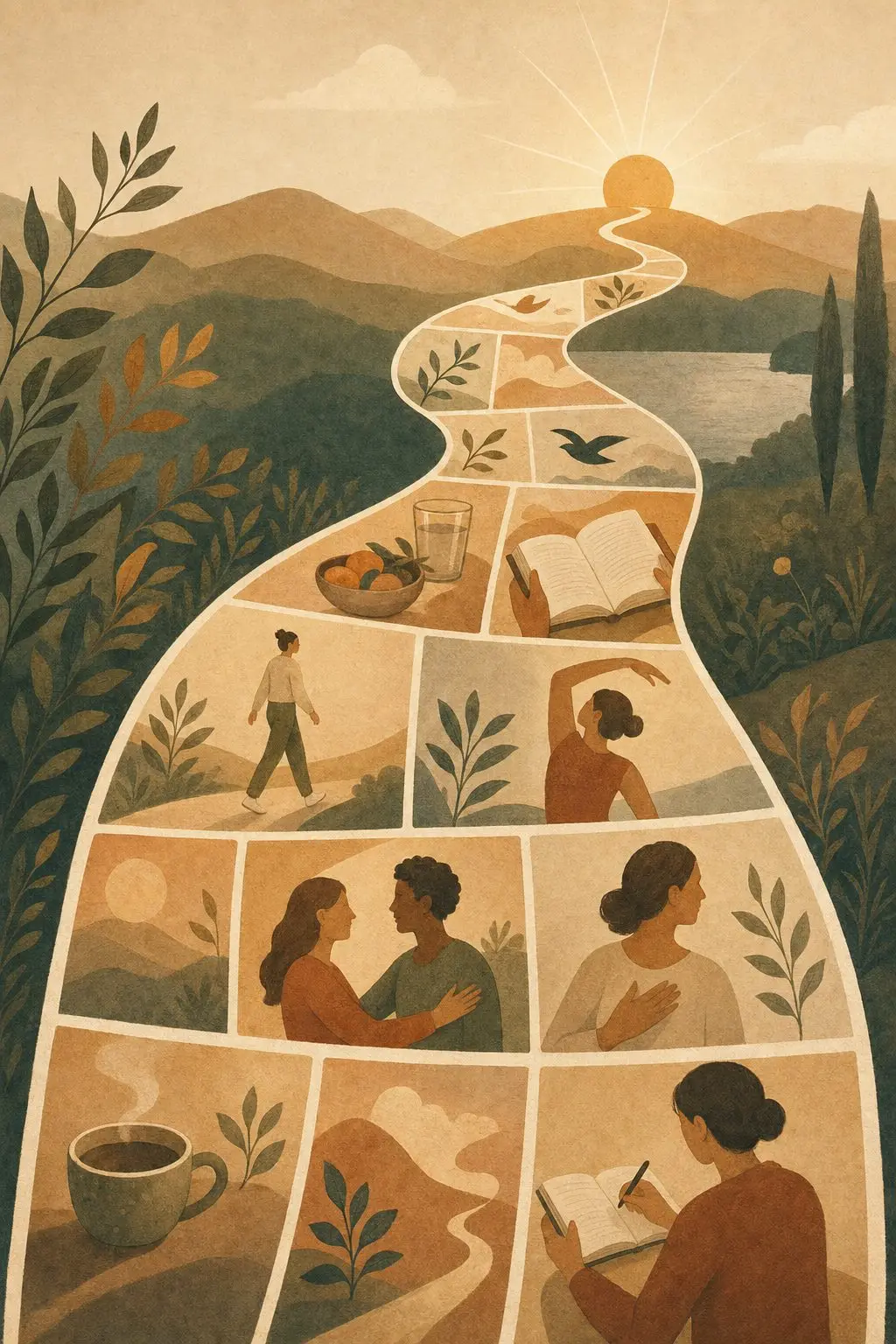
If the big decision is the kitchen, the small daily choices are the cooking. And this is where the real leverage lives.
We give big decisions all the spotlight. But we make dozens — maybe hundreds — of small choices every day, and each one quietly steers the boat. How disciplined you are in practice. Whether you stay open to feedback. How you treat the person in front of you. These are immediate, manageable, and firmly within your control. You can make them, and correct them, in real time. That is where your sense of agency actually lives.
اگر تصمیمِ بزرگ همان آشپزخانه است، انتخابهای کوچکِ روزمره همان آشپزیاند. و اهرمِ واقعی همینجاست.
ما همهی نورِ صحنه را به تصمیمهای بزرگ میدهیم. اما هر روز دهها — شاید صدها — انتخابِ کوچک میکنیم و هرکدام بیسروصدا قایق را هدایت میکند. اینکه در تمرین چهقدر منظمی. اینکه آیا نسبت به بازخورد گشوده میمانی. اینکه با آدمِ روبهرویت چگونه رفتار میکنی. اینها فوری، در دسترس و کاملاً در کنترلِ تو هستند. میتوانی همان لحظه آنها را بگیری و اصلاح کنی. حسِ عاملیتِ تو واقعاً همینجا زندگی میکند.
Habits form through repetition, not intensity — research finds it can take anywhere from weeks to many months of consistent small actions for a behaviour to become automatic, with a wide range across people and habits. (Time to Form a Habit, 2024) The lesson isn’t to find the one heroic decision. It’s to make the small right choice often enough that it becomes who you are.
عادتها از طریق تکرار شکل میگیرند، نه شدت — پژوهشها نشان میدهند ممکن است از چند هفته تا چند ماه از کنشهای کوچکِ مداوم لازم باشد تا یک رفتار خودکار شود، با دامنهی گستردهای میانِ افراد و عادتهای مختلف. (زمانِ شکلگیری عادت، ۲۰۲۴) درس این نیست که آن یک تصمیمِ قهرمانانه را بیابی؛ این است که انتخابِ درستِ کوچک را آنقدر تکرار کنی که بدل به خودِ تو شود.
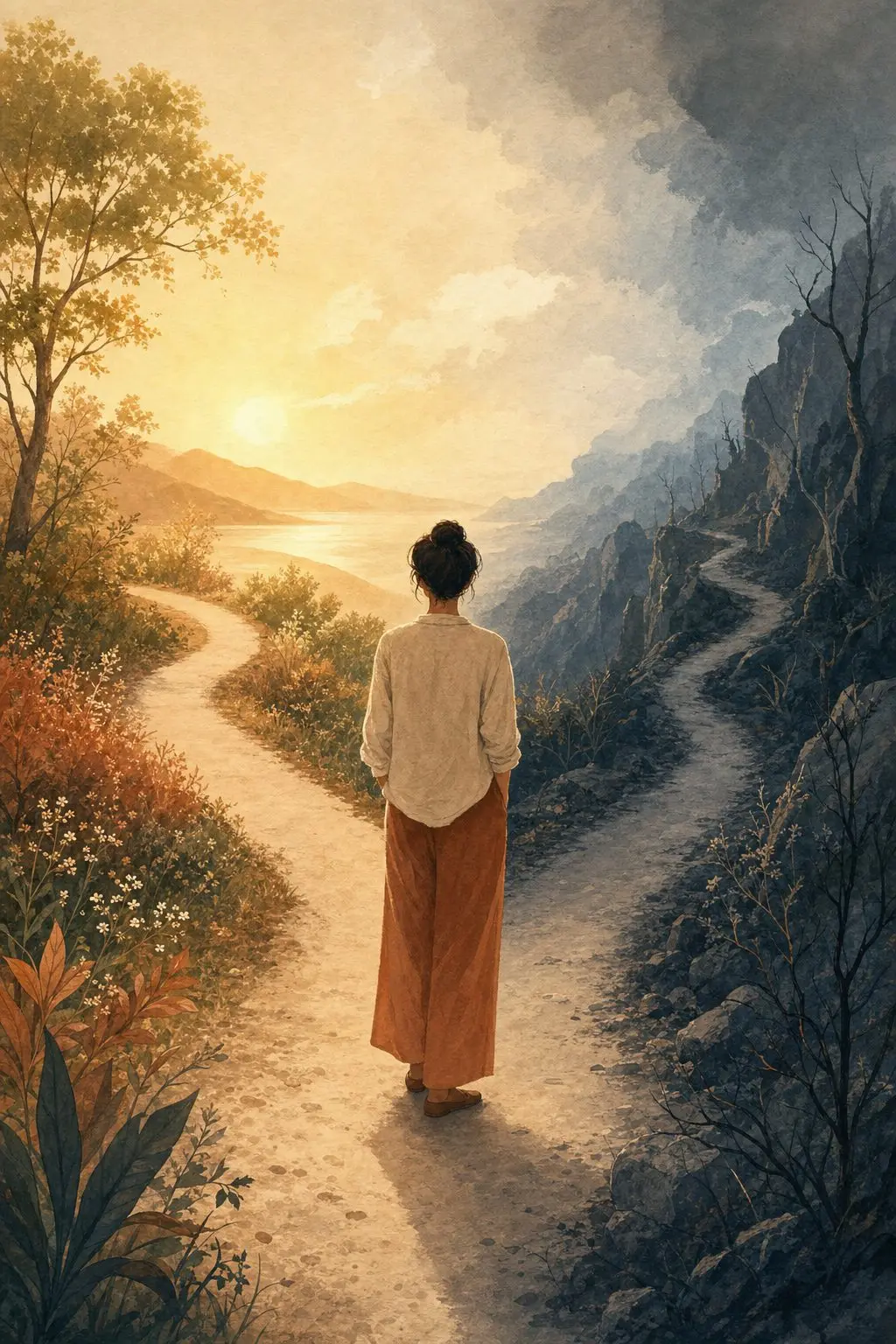
There’s a deeper pattern underneath the small choices. Look closely and most of them come down to one fork that appears again and again: love or fear.
When the family argument escalates and you raise your voice and stop listening — that’s fear. Love, at the same fork, might have chosen silence or generosity. The difficult client or colleague who gets under your skin: you decide, each day, whether to see a human being worthy of patience, or an enemy to defeat. The big decisions are rare and dramatic. This one is constant and quiet, and it shapes your life more than any of them.
زیرِ این انتخابهای کوچک، الگوی ژرفتری هست. اگر دقیق نگاه کنی، بیشترشان به یک دوراهی میرسند که بارها و بارها پدیدار میشود: عشق یا ترس.
وقتی در یک بحثِ خانوادگی صدایمان بالا میرود و گوشهایمان را میبندیم — این ترس است. عشق، بر سرِ همان دوراهی، شاید سکوت یا گذشت را برمیگزید. آن مشتری یا همکارِ دشوار که روی اعصابمان است: ما هستیم که هر روز تصمیم میگیریم او را انسانی شایستهی صبوری ببینیم، یا دشمنی که جز شکستدادنش چارهای نداریم. تصمیمهای بزرگ نادر و پرهیجاناند. این یکی پیوسته و آرام است، و زندگیِ تو را بیش از همهی آنها شکل میدهد.
For the next week, once a day, catch yourself at a small fork — a reply you’re about to send, a reaction rising in your chest. Ask one question: Is this love or fear? You don’t have to act perfectly. Just naming it changes what you do next.
هفتهی پیشِ رو، روزی یکبار خودت را سرِ یک دوراهیِ کوچک بگیر — پاسخی که میخواهی بفرستی، واکنشی که در سینهات بالا میآید. یک پرسش بپرس: این عشق است یا ترس؟ لازم نیست بینقص عمل کنی. همین که نامش را ببری، کارِ بعدیات عوض میشود.
Making good decisions in an uncertain world تصمیمگیریِ خوب در جهانِ نامطمئن
When you do face a genuinely big, foggy decision, the old “deterministic” method — analyse hard enough and the one right answer appears — tends to fail. We live in a world that’s volatile, uncertain, complex, and ambiguous (a VUCA world).
There’s a useful map for this. The Cynefin framework, developed by Dave Snowden, points out that not all problems are the same kind. Some are clear (follow the known recipe). Some are complicated (call an expert). But many of life’s important decisions are complex — there’s no expert who can tell you the answer in advance, and the only way forward is to probe, sense, and respond: try something small, see what happens, and adapt. (The Cynefin Co) Most big life choices live in this complex space — which is exactly why treating them as “solvable” puzzles backfires.
So treat a big decision not as a final answer, but as an evolving best guess. Here are five practices to do that.
وقتی واقعاً با تصمیمی بزرگ و مهآلود روبهرو میشوی، روشِ قدیمیِ «جبری» — آنقدر تحلیل کن تا آن یک پاسخِ درست پدیدار شود — معمولاً شکست میخورد. ما در جهانی زندگی میکنیم که پرنوسان، نامطمئن، پیچیده و مبهم است (جهانِ VUCA).
برای این، نقشهی مفیدی هست. چارچوبِ کنفین (Cynefin)، ساختهی دیو اسنودن، یادآور میشود که همهی مسائل از یک جنس نیستند. برخی روشناند (دستورِ شناختهشده را اجرا کن). برخی پیچیدهاند (از کارشناس بپرس). اما بسیاری از تصمیمهای مهمِ زندگی درهمتنیدهاند — هیچ کارشناسی نمیتواند پیشاپیش پاسخ را بگوید، و تنها راهِ پیشرفتن این است که کاوش کنی، حس کنی و پاسخ دهی: چیزی کوچک را امتحان کن، ببین چه میشود و سازگار شو. (شرکت کنفین) بیشترِ انتخابهای بزرگِ زندگی در همین فضای درهمتنیدهاند — و درست به همین دلیل است که برخوردِ «حلشدنی» با آنها نتیجهی عکس میدهد.
پس با یک تصمیمِ بزرگ نه مثلِ یک پاسخِ نهایی، بلکه مثلِ یک بهترینحدسِ روبهتکامل رفتار کن. پنج تمرین برای این کار:
Future Backwardsآیندهی وارونه
Picture the future you’d like, but hold it as a flexible intention, not a fixed endpoint. Work backwards to today’s first step. In an uncertain world, expect your assumptions to shift as you learn — the value is in clarifying the next move and the signals to watch for.
آیندهای را که میخواهی تصور کن، اما آن را بهجای نقطهی پایانِ ثابت، یک نیتِ انعطافپذیر بدان. عقبعقب تا گامِ امروز برگرد. در جهانِ نامطمئن، انتظار داشته باش فرضهایت با آموختن جابهجا شوند — ارزش در روشنکردنِ حرکتِ بعدی و نشانههایی است که باید رصد کنی.
Micro-experimentsآزمایشهای خُرد
Instead of going all-in, run a scaled-down version. Unsure about a career? Take on a small project in that field. Set a short trial — a few weeks — gather real-world feedback, then refine, continue, or pivot. Small experiments make learning fast and mistakes cheap.
بهجای رفتنِ تماموکمال، نسخهای کوچکشده را اجرا کن. دربارهی یک مسیرِ شغلی مطمئن نیستی؟ یک پروژهی کوچک در آن حوزه بردار. یک بازهی کوتاه تعیین کن — چند هفته — بازخوردِ واقعی بگیر، بعد اصلاح کن، ادامه بده یا تغییر مسیر بده. آزمایشهای کوچک آموختن را سریع و اشتباهها را ارزان میکنند.
Seek divergent perspectivesدیدگاههای واگرا را بجو
Fresh viewpoints reveal blind spots. Deliberately talk to people who think differently from you, and ask whether your long-held assumptions still hold under today’s conditions. Adaptability feeds on diverse input.
نگاههای تازه نقاطِ کور را آشکار میکنند. عمداً با کسانی حرف بزن که متفاوت از تو فکر میکنند، و بپرس آیا فرضهای دیرینهات هنوز در شرایطِ امروز برقرارند. سازگاری از تنوعِ ورودیها تغذیه میکند.
Use constraints as fuelمحدودیتها را سوخت کن
Limits on time, money, or scope feel like barriers but often spark creativity. Scarcity sharpens attention onto what truly matters and pushes you past conventional options. Treat each constraint as a prompt: what does this force me to invent?
محدودیتهای زمان، پول یا دامنه مثلِ مانع بهنظر میرسند اما اغلب جرقهی خلاقیتاند. کمبود، توجه را روی آنچه واقعاً مهم است تیز میکند و تو را فراتر از گزینههای مرسوم هل میدهد. با هر محدودیت مثلِ یک پرسش رفتار کن: این مرا وادار میکند چه چیزی اختراع کنم؟
Reconnect with your valuesبا ارزشهایت دوباره پیوند بزن
Identify the few principles that matter most to you. They stay constant even as conditions change; how you express them can flex. When every option is uncertain, a values check is often the clearest signal you have.
چند اصلی را که برایت از همه مهمترند بشناس. آنها حتی با تغییرِ شرایط ثابت میمانند؛ نحوهی بیانشان میتواند انعطاف داشته باشد. وقتی هر گزینهای نامطمئن است، یک وارسیِ ارزشها اغلب روشنترین نشانهای است که در دست داری.
Pick the decision you named in Part 1. (1) Write the evolving vision in one line. (2) Design one micro-experiment you can run in 7 days. (3) Name the one signal that would tell you to continue, and the one that would tell you to pivot. (4) Name the core value this decision must honour. Then run it.
تصمیمی را که در بخش ۱ نام بردی بردار. (۱) چشماندازِ روبهتکامل را در یک خط بنویس. (۲) یک آزمایشِ خُرد طراحی کن که بتوانی در ۷ روز اجرا کنی. (۳) آن یک نشانهای را که میگوید ادامه بده و آن یک نشانهای را که میگوید تغییر مسیر بده نام ببر. (۴) ارزشِ بنیادینی را که این تصمیم باید پاس بدارد نام ببر. سپس اجرایش کن.
In complex systems there is rarely one correct solution — every choice brings some desired and some unwanted consequences. The art isn’t making the one perfect call; it’s continuously steering as conditions shift. Viewing decisions as iterative experiments — anchored in what you know now, guided by an evolving vision — frees you from needing to “get it right” forever, and lets you grow your awareness of yourself and your world with every step.
در نظامهای درهمتنیده بهندرت یک راهحلِ درست هست — هر انتخاب پیامدهای خواسته و ناخواستهای میآورد. هنر در گرفتنِ آن یک تصمیمِ بینقص نیست؛ در فرمانداریِ پیوسته است، همگام با تغییرِ شرایط. نگریستن به تصمیمها بهمثابهی آزمایشهای پیاپی — لنگرانداخته در آنچه اکنون میدانی و هدایتشده با چشماندازی روبهتکامل — تو را از نیازِ «همیشه درست انجام دادن» رها میکند و میگذارد آگاهیات از خود و جهان با هر گام رشد کند.
The marathon and the river ماراتن و رود
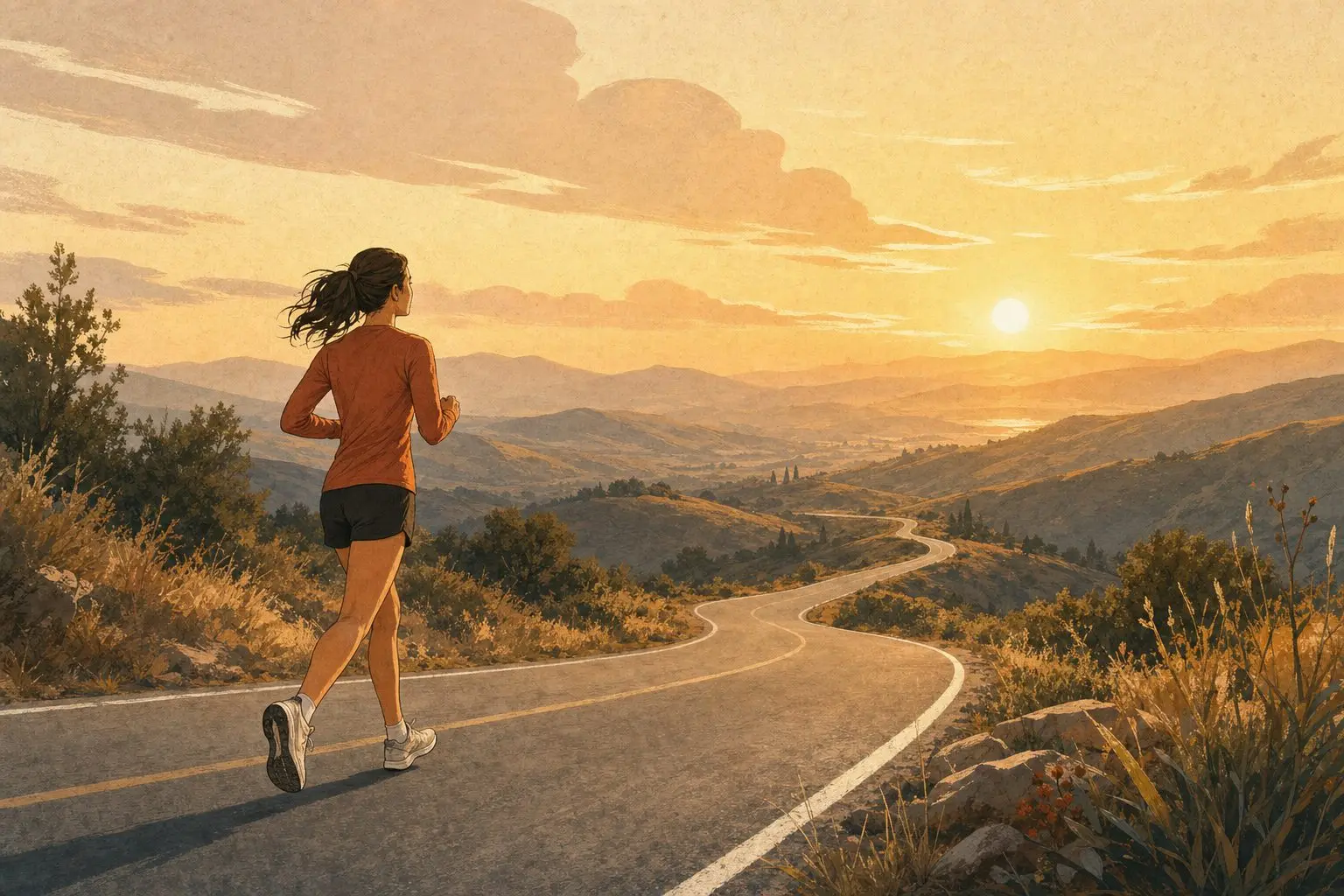
Let me finish my own story.
A week after missing that critical exam, I had one fallback: a separate entrance test for a paid university course — an option I’d always seen as second-rate. With my plan in ruins, I took it. I was admitted into a computer science program there.
Despite my reservations, it turned out to be exactly what I needed. I learned far more than I expected, built lifelong friendships, met future business partners, found my first job through those relationships, and grew in ways my original blueprint never imagined. The “second choice” became the most valuable path I could have walked.
No single decision is the ultimate determinant of your future.
Life is not a sprint where the shortest route wins. It is a marathon, and the one who finishes well is the one who keeps going — who notices the scenery, enjoys the company on the road, and pours their full attention and care into whatever path they’re on, whether they chose it freely or had it forced upon them. The finish line comes for everyone. The story was never about arriving. It was about continuing.
So the real winner isn’t the person who picked the perfect path. It’s the person who loves the path they’re on.
بگذار داستانِ خودم را تمام کنم.
یک هفته پس از آن کنکورِ ازدسترفته، یک راهِ پشتیبان داشتم: آزمونِ ورودیِ جداگانهای برای یک دورهی دانشگاهیِ شهریهای — گزینهای که همیشه درجهدو میدیدمش. حالا که نقشهام بههم ریخته بود، رفتم سراغش. در رشتهی علوم کامپیوترِ آنجا پذیرفته شدم.
با همهی تردیدهایم، دقیقاً همان چیزی از آب درآمد که نیاز داشتم. بسیار بیشتر از آنچه انتظار داشتم آموختم، دوستیهای عمری ساختم، با شریکان آیندهی کاریام آشنا شدم، نخستین شغلم را از طریقِ همان رابطهها یافتم، و بهگونههایی رشد کردم که نقشهی اولیهام هرگز پیشبینی نکرده بود. آن «انتخابِ دوم» باارزشترین مسیری شد که میتوانستم بپیمایم.
هیچ تصمیمِ یگانهای تعیینکنندهی نهاییِ آیندهی تو نیست.
زندگی یک دوِ سرعت نیست که کوتاهترین مسیر برنده باشد. یک ماراتن است، و کسی خوشفرجام تمامش میکند که ادامه میدهد — کسی که منظرهها را میبیند، از همراهیِ دیگران در راه لذت میبرد، و همهی توجه و عشقش را به مسیری که در آن است میریزد، چه آن را آزادانه برگزیده باشد چه بهنوعی بر او تحمیل شده باشد. خط پایان برای همه میآید. داستان هرگز دربارهی «رسیدن» نبود. داستانِ «ادامهدادن» بود.
پس برندهی واقعی آن کسی نیست که مسیرِ بینقص را برگزید. آن کسی است که عاشقِ مسیری است که در آن است.
The green garden of love, which has no end —
there, beyond grief and joy, so many fruits.
To love is higher than both these states:
without spring, without autumn, ever green and fresh.
باغِ سبزِ عشق کو بیمنتهاست
جز غم و شادی در او بس میوههاست
عاشقی زین هر دو حالت برتر است
بی بهار و بی خزان سبز و تر است
— Rumiمولانا
Be joyful, and be in love. شاد و عاشق باشید!
A note on sources & scienceیادداشتی دربارهی منابع و علم
This guide draws on three reflections by Saman Attarian — the chapter Beyond Good or Bad, the essay The Best Tomato Paste, and the podcast The Marathon of Life and Our Choices — woven together with a light touch of decision science:
این راهنما بر سه تأملِ سامان عطاریان استوار است — فصلِ فراتر از خوب یا بد، جستارِ بهترین رب گوجهفرنگی، و پادکستِ ماراتن زندگی و انتخابهای ما — که با چاشنیِ سبکی از علمِ تصمیمگیری درهمتنیده شدهاند:
- Maximizing vs. satisficing — Schwartz et al. (2002). PubMed
- بیشینهجویی در برابر بسندهجویی — شوارتز و همکاران (۲۰۰۲). PubMed
- Decision fatigue — Pignatiello et al. (2018). PMC
- خستگیِ تصمیم — پینیاتیلو و همکاران (۲۰۱۸). PMC
- Regret aversion — Zeelenberg et al. (1996). PDF
- حسرتگریزی — زیلِنبرگ و همکاران (۱۹۹۶). PDF
- Locus of control / agency. Overview
- کانونِ کنترل / عاملیت. مرور
- Habit formation — Time to Form a Habit (2024). PMC
- شکلگیریِ عادت — زمانِ شکلگیری عادت (۲۰۲۴). PMC
- Cynefin / decision-making in complexity — Snowden. About Cynefin
- کنفین / تصمیمگیری در پیچیدگی — اسنودن. About Cynefin